分享至Facebook
 分享至Line
 分享至X
分享至X 分享至Wechat
 |
 |
| Aligned with the United Nations Sustainable Development Goals: SDG 3, Good Health and Well-being — ensure healthy lives and promote well-being for all at all ages; and SDG 4, Quality Education — ensure inclusive and equitable quality education and promote lifelong learning opportunities for all. | |
~~Creating a caring and welcoming environment for older adults living with dementia~~~~
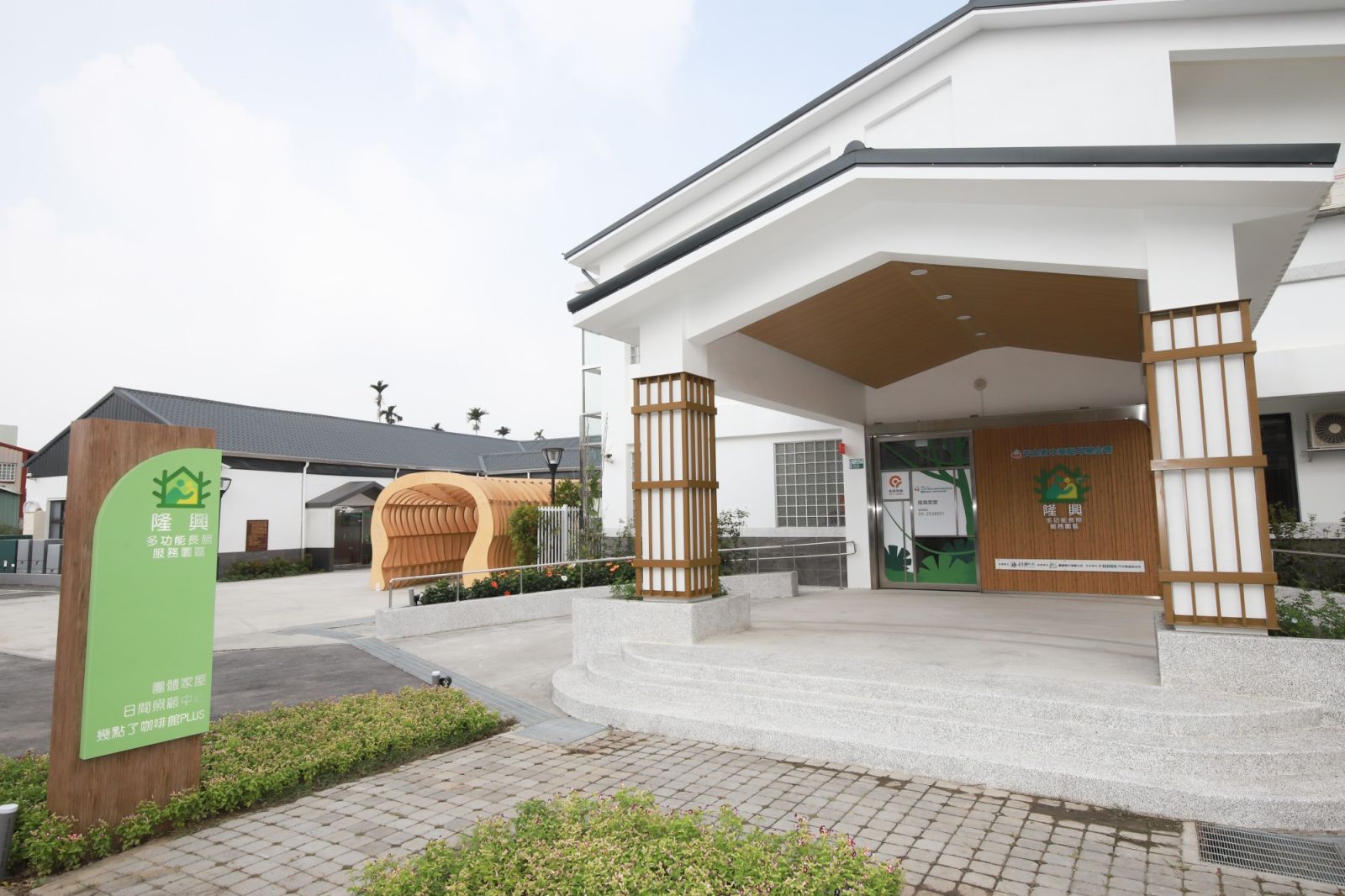
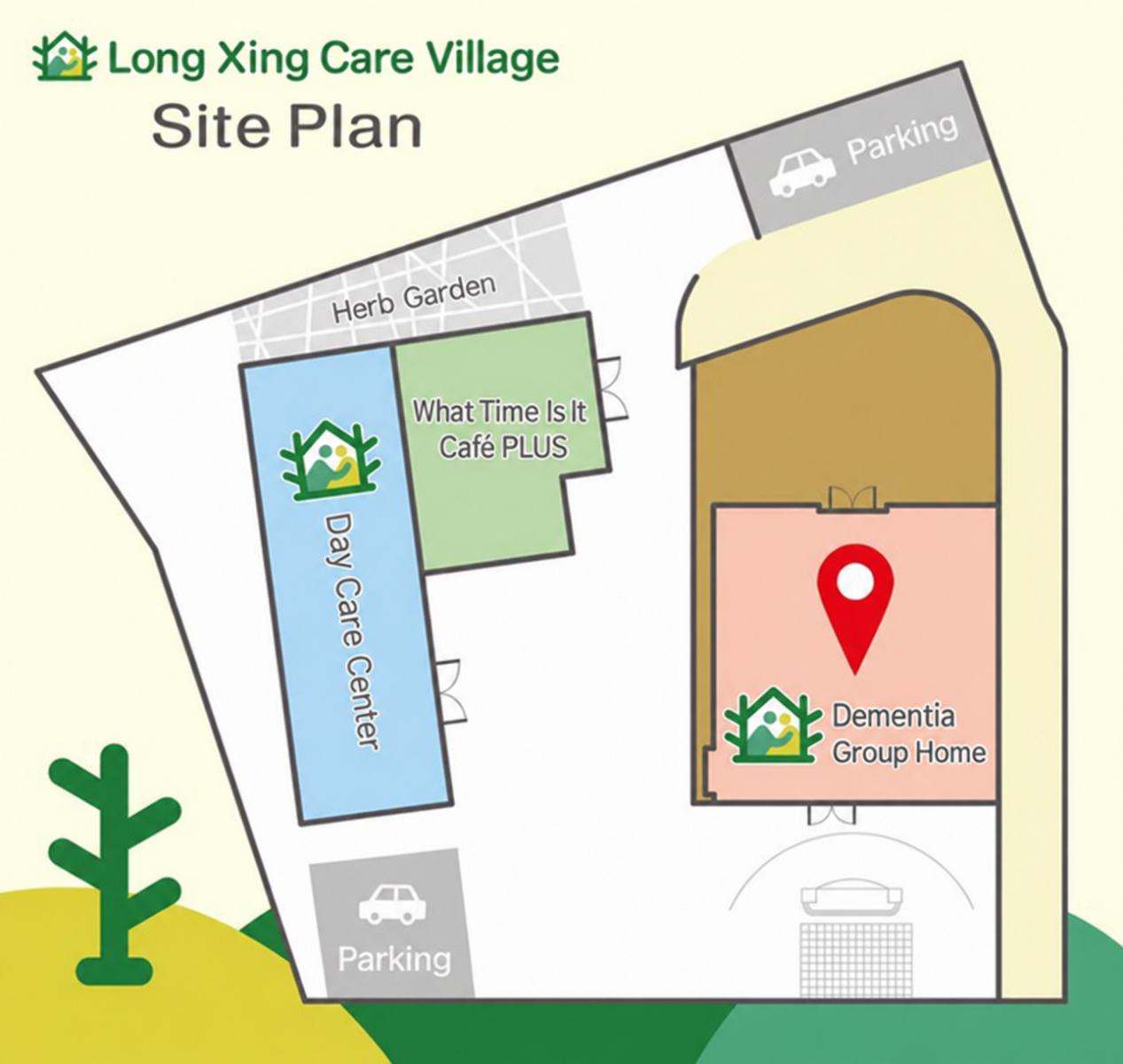
Long Xing Community Care Village is designed as an open campus without perimeter walls. It combines long-term care and reablement equipment from Japan with personalised support to meet the diverse needs of older adults living with dementia or functional impairments, strengthening their independence and quality of life. Outdoors, dementia-themed art installations and a therapeutic garden invite the wider community into the care setting. Together, these spaces support a shared community where older adults can contribute, and neighbours and children can connect across generations.
Group Home
1. Our Care Philosophy
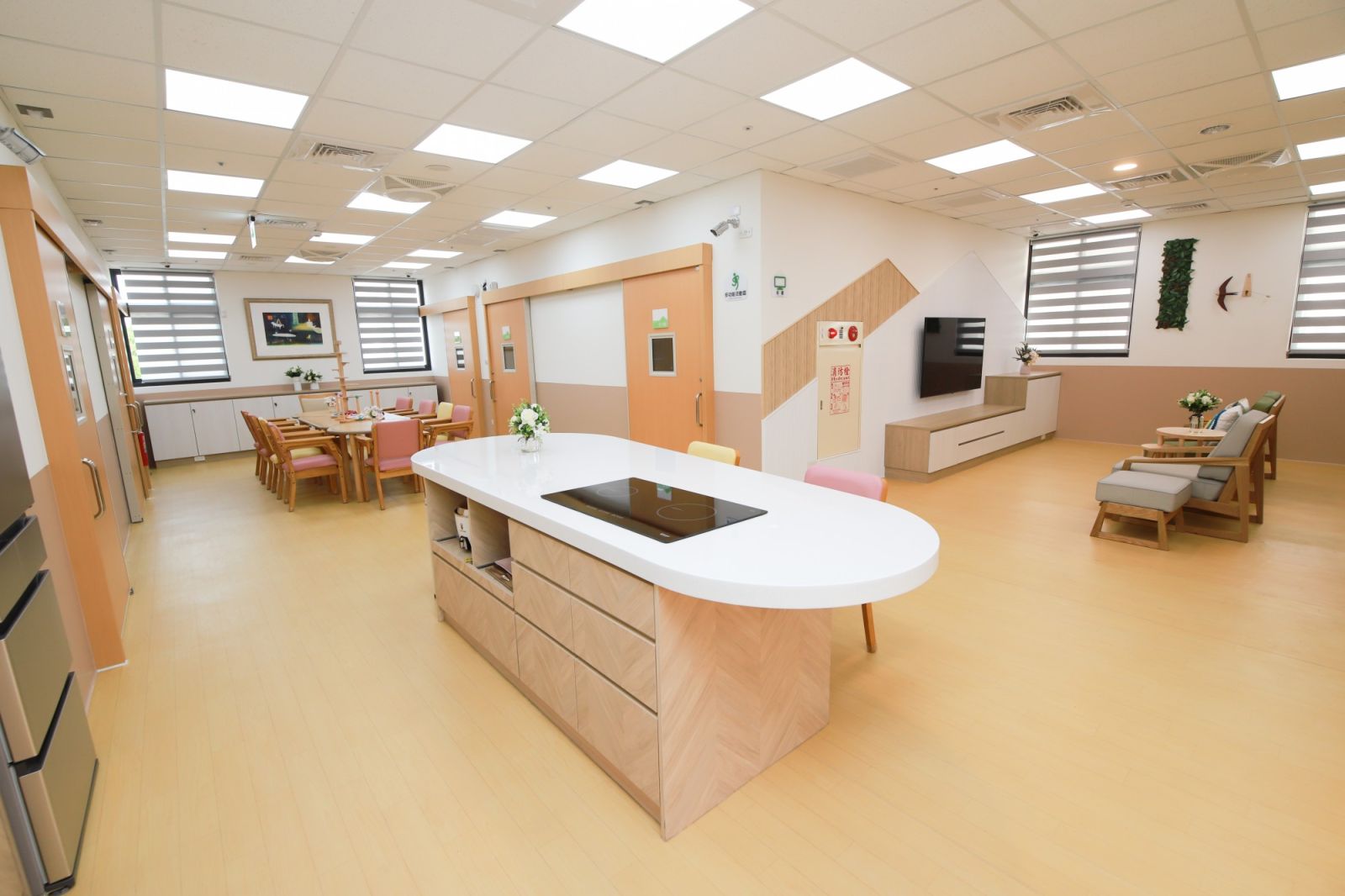
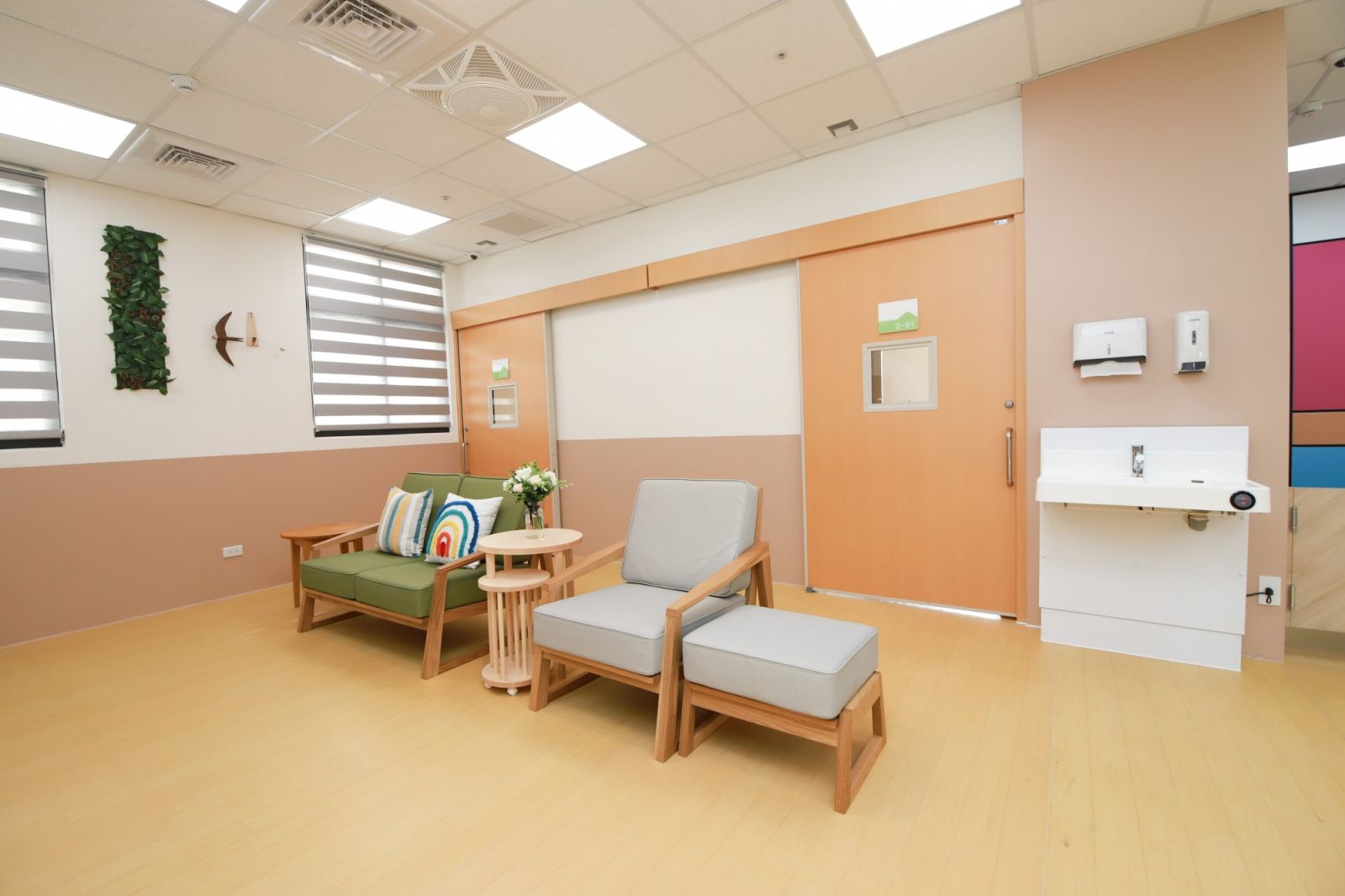
Our group home offers small-scale, personalised dementia care in a homelike setting. Residents receive the support they need while maintaining independence in daily life. This approach responds to each person's needs and promotes autonomy, dignity and quality of life.
 |
 |
 |
 |
2. Care Features
1. Located along Provincial Highway 18 in Zhongpu Township, the home provides personalised care and reablement through everyday activities in a family-style environment.
2. Taiwanese care workers provide companionship around the clock, supported by professional nursing and social work services.
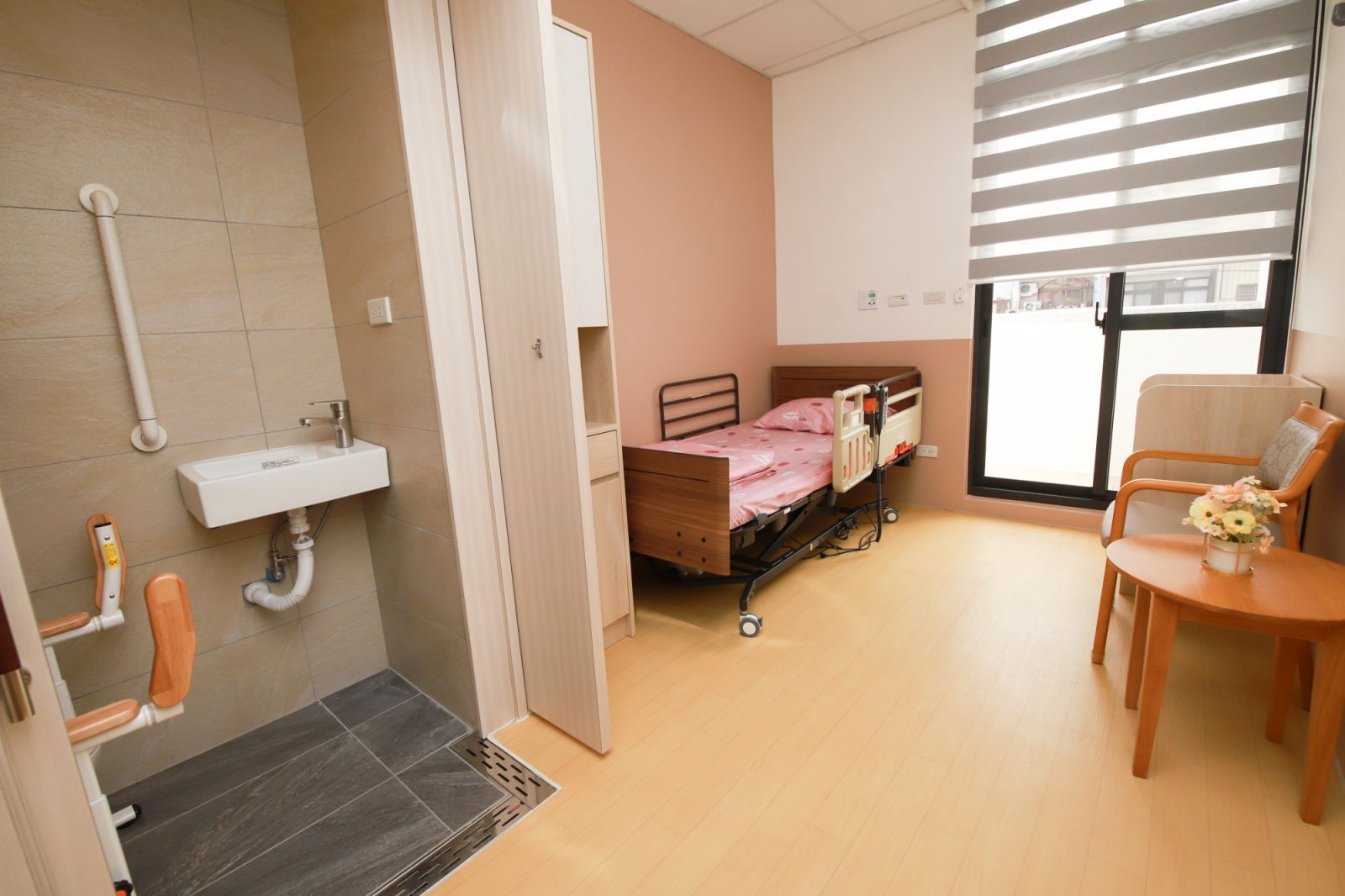
3. Every resident has a private single room, ensuring personal space and privacy.
4. An open, person-centred environment without physical restraints or restrictions on movement.
5. A varied daily programme includes reminiscence groups, cognitive training, reality orientation, social activities, music-based support, sensory stimulation, self-care practice, seasonal celebrations and art activities.
6. Care technologies include the Sprawl rotating-lever assisted bathing device, facial recognition, smart circadian lighting and an indoor location system to support quality care.
3. Who We Serve
1. People with a physician-confirmed diagnosis of dementia and a Clinical Dementia Rating (CDR) of 2 or 3.
2. Applicants must be able to walk, use the toilet and eat independently; have no indwelling tubes, invasive treatment or ongoing medical care needs; be able to live harmoniously with others; and have a physician's confirmation that they are free from communicable diseases.
3. From 2026, applicants must present at least one behavioural and psychological symptom of dementia (BPSD) at admission and provide supporting medical documentation.
4. Total service capacity: 18 residents. Currently operating capacity: 6 residents.
5. To protect everyone's health in this shared living environment, applicants must submit a health examination report issued within the preceding three months.
4. Admission Process
5. Admission Information
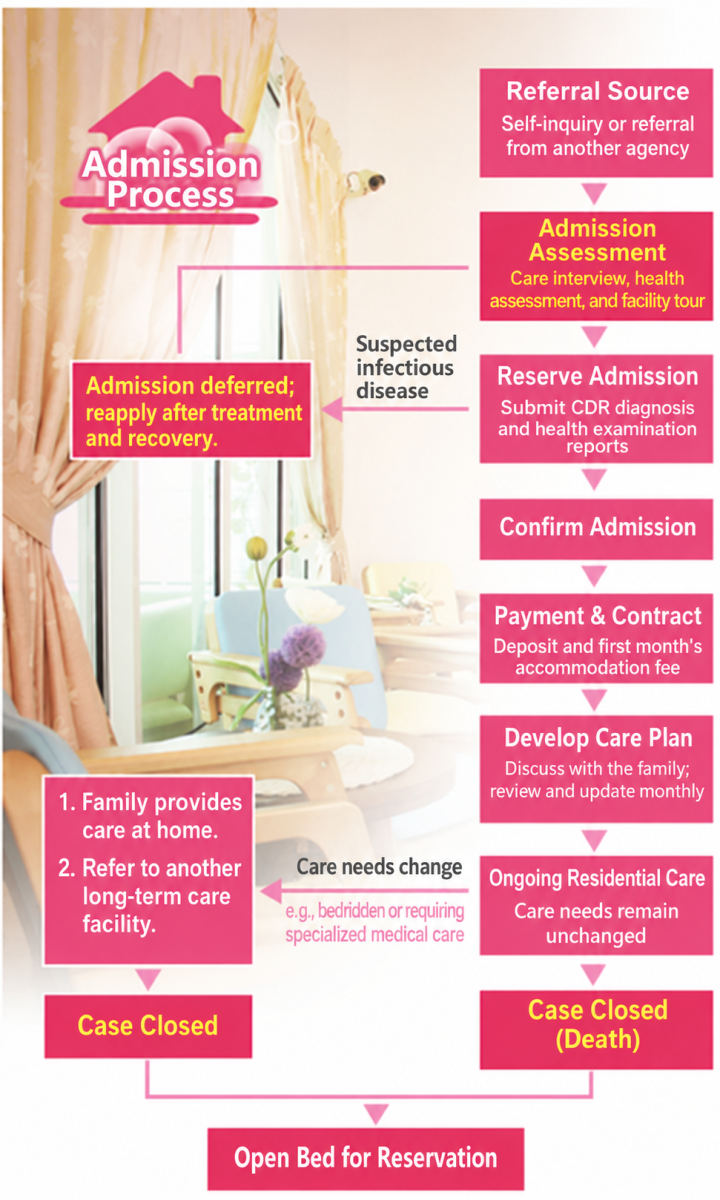
Enquiry or referral→Admission assessment→Reservation→Admission confirmation→Payment and contract signing→Individual care plan→Ongoing daily care→Service closure
1. If a communicable disease is suspected during the reservation stage, admission will be postponed. Applicants may reapply after treatment and recovery.
2. If care needs change during residency, for example if a resident becomes bedridden or requires specialised medical care, the family may arrange care at home or the resident may be referred to another long-term care provider.
6. Location and Contact
1. Address: No. 88-1, Shizilu, Longxing Village, Zhongpu Township, Chiayi County, Taiwan.
2. Telephone: (05)2530021

Day Care Centre
At Long Xing Day Care Centre, social workers oversee service delivery, care workers provide daily personal care and lead activities, and drivers provide morning and afternoon transport.
1. Care Features
1. Daytime care supports families of older adults living with dementia or functional impairments. Our professional team provides comprehensive services to help ease the physical and emotional demands of family caregiving.
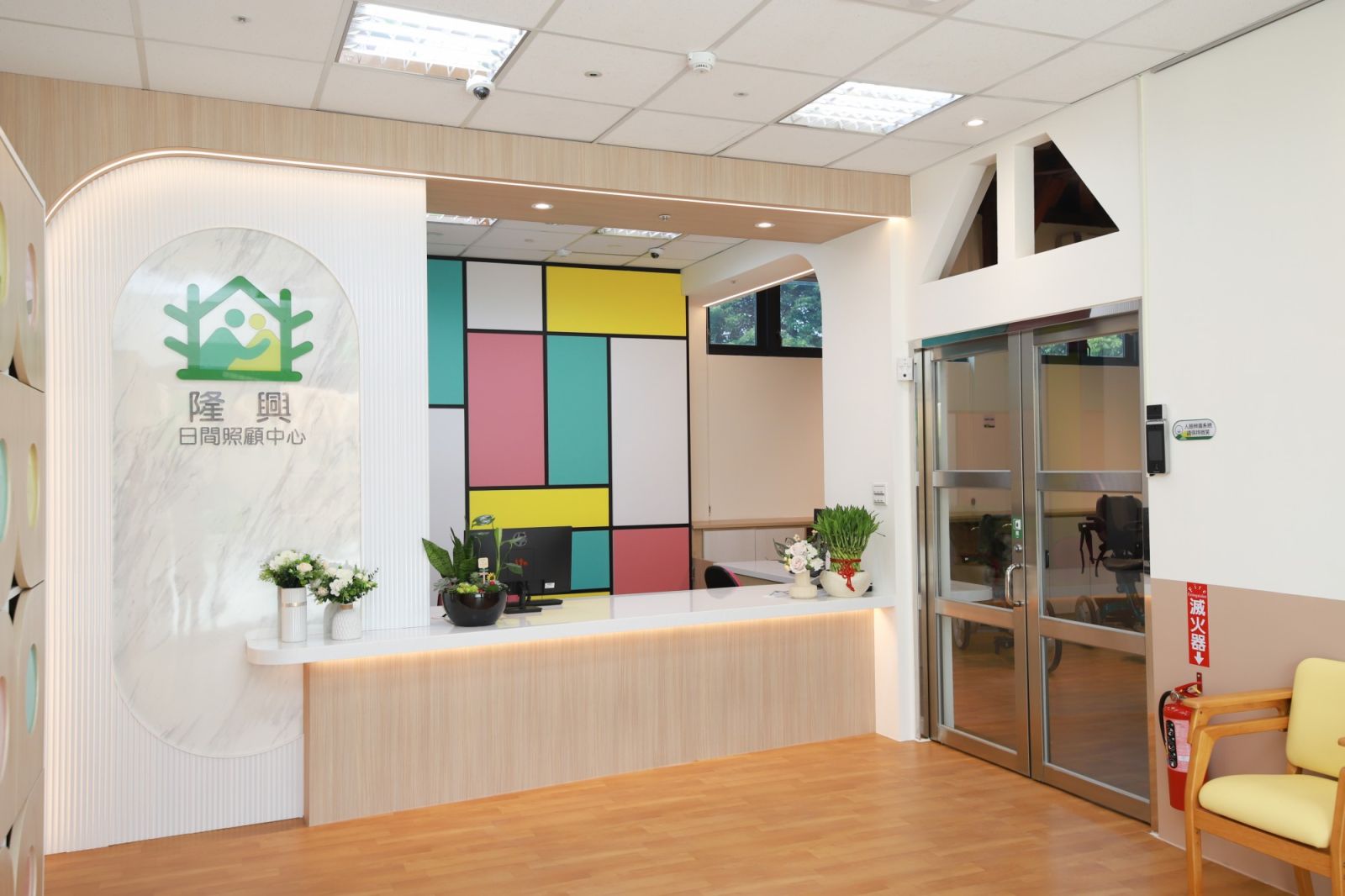
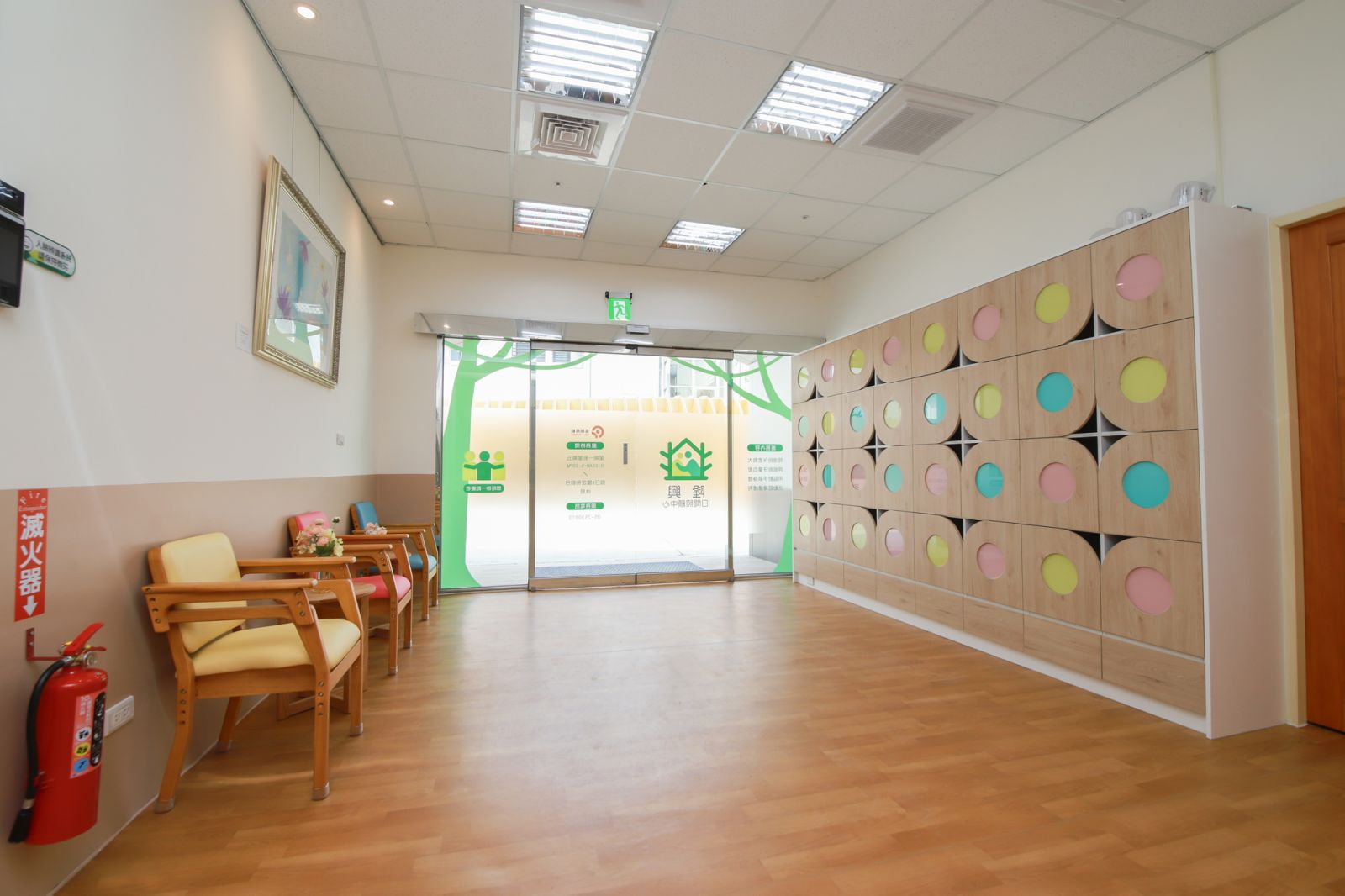
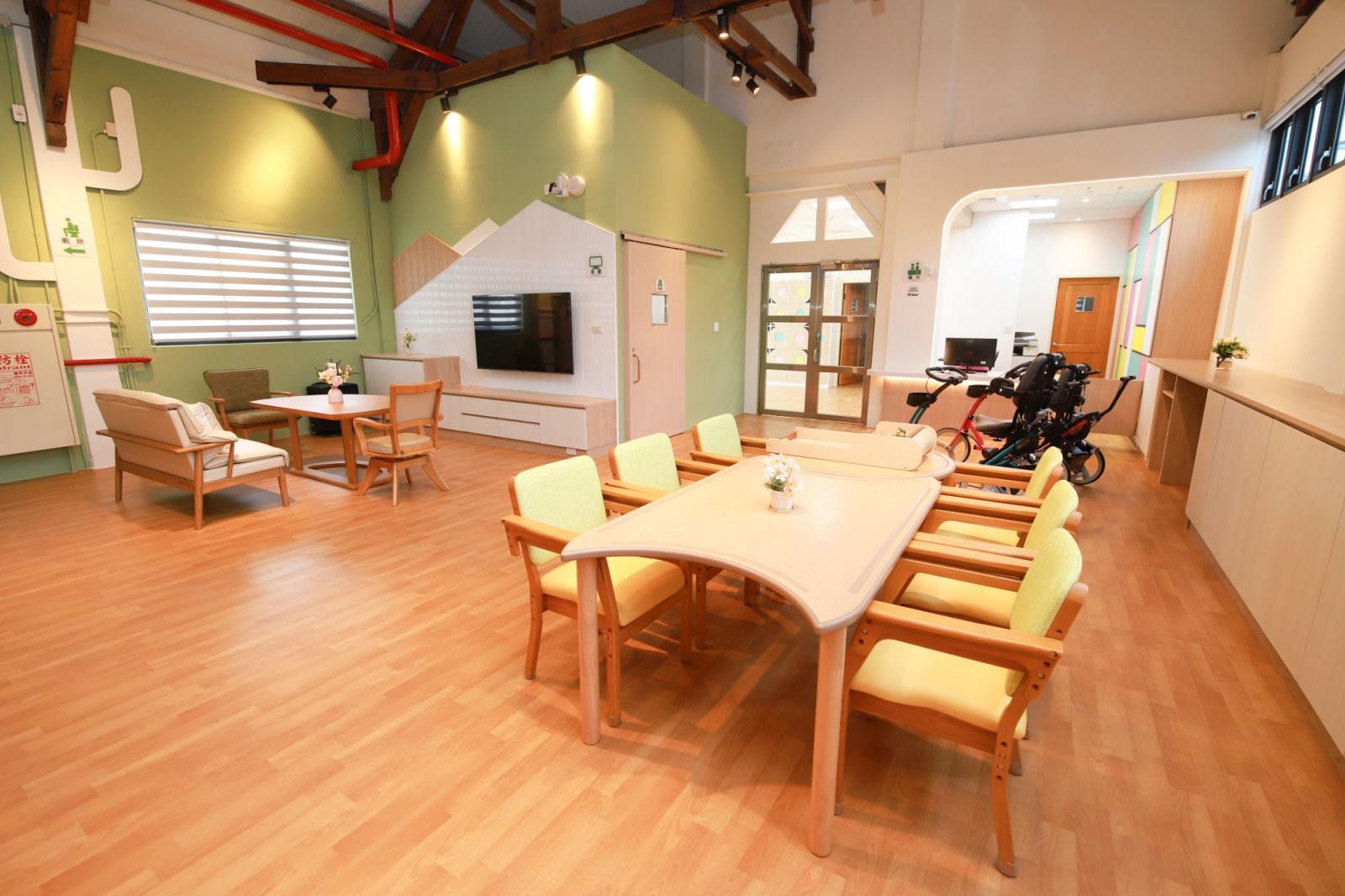
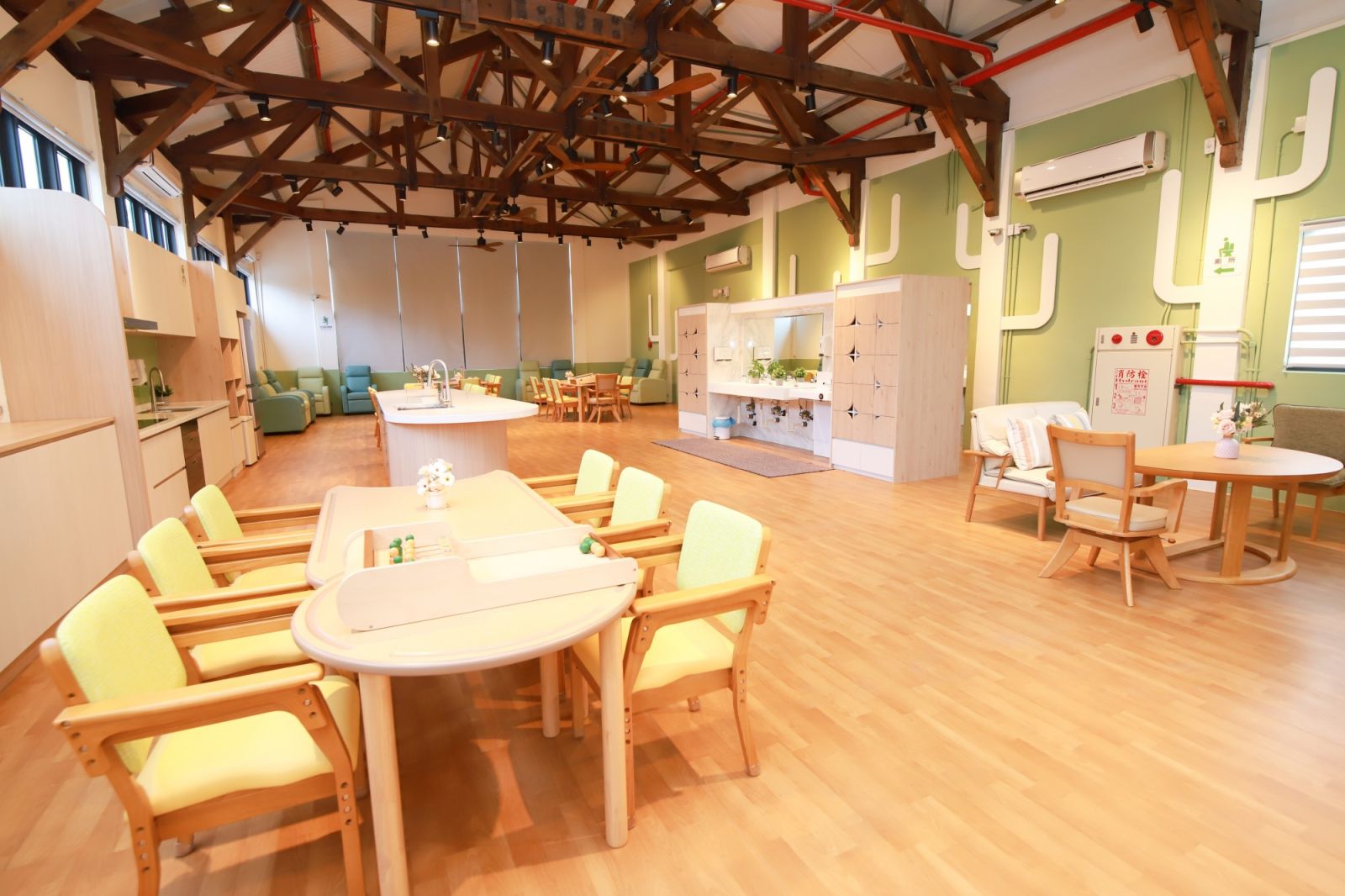
2. Thoughtfully designed spaces create a warm and welcoming environment.
3. Varied, personalised activities aim to slow functional decline and help older adults enjoy each day.
 |
 |
 |
 |
2. Who We Serve
1. People assessed by the Long-Term Care Management Centre as eligible for long-term care services, including:
(1) Adults aged 65 or over with functional impairments.
(2) Indigenous adults aged 55 or over with functional impairments.
(3) People living with dementia.
(4) People with disabilities who hold a disability certificate.
(5) People eligible for the Post-Acute Care (PAC) programme.
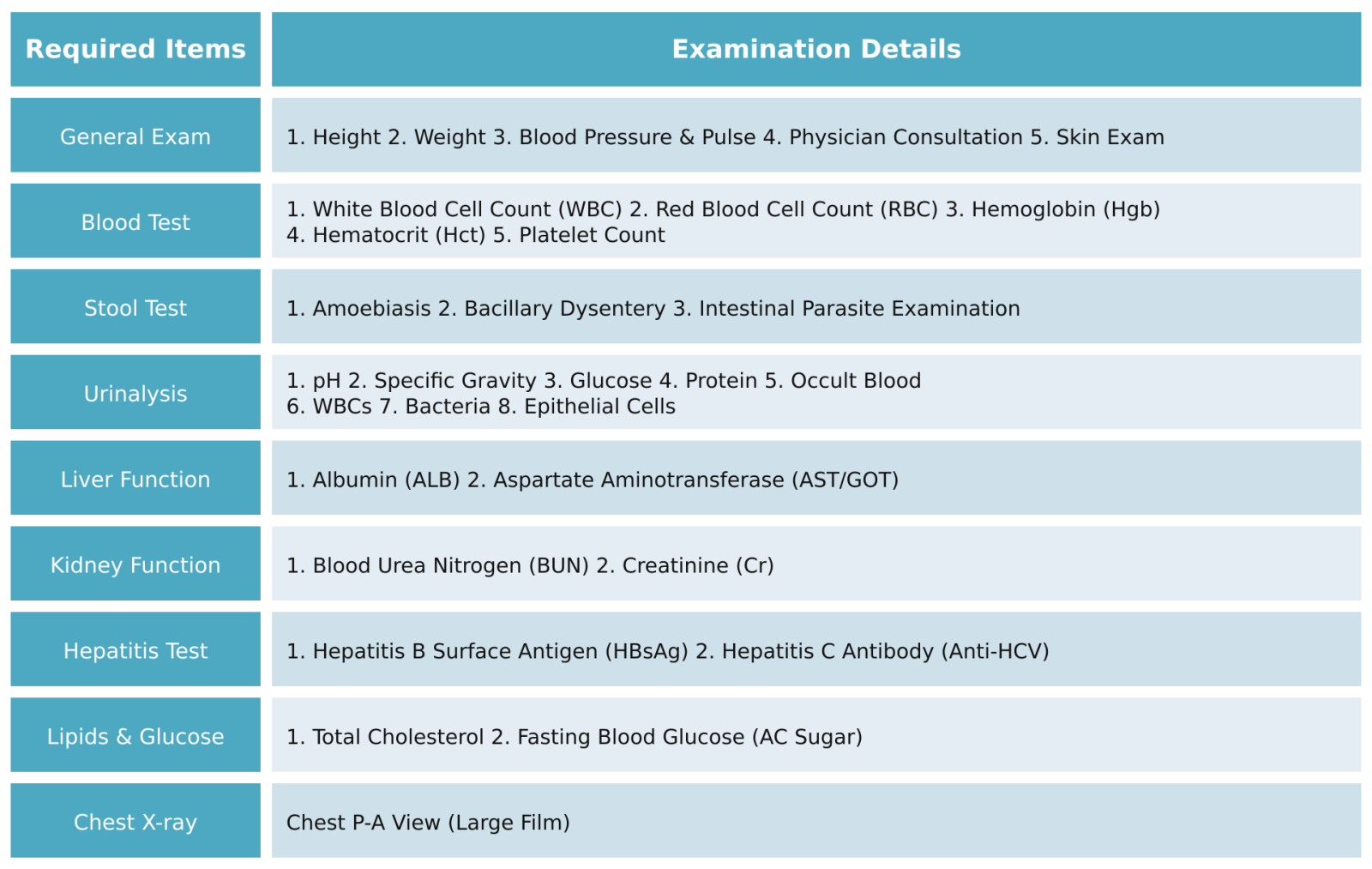
2. To protect everyone's health in this shared setting, a health examination report issued within the preceding three months is required before services begin. Required examinations are listed below.
3. Service Hours
1. Monday to Friday, 8:00 a.m.–5:00 p.m., including transport, lunch and rest time. Services are generally unavailable on Saturdays, Sundays and public holidays.
2. Lunar New Year: closed from Lunar New Year's Eve through the fifth day of the first lunar month. Regular services resume on the sixth day.
3. During typhoons or other natural disasters, service arrangements follow the government's rules on the suspension of work and classes.
4. Our Services
1. Full-day care includes daily living support, health promotion, cultural and recreational activities, guidance and consultation for families, and meal preparation.
2. Half-day care provides the same range of services.
Families may choose regular full-day care or combine full-day and half-day sessions according to their care needs.
(1) Full-day sessions: 8:00 a.m.–4:00 p.m., including transport and midday rest.
(2) Half-day sessions: morning, 8:00 a.m.–12:00 noon; midday, 10:00 a.m.–2:00 p.m.; or afternoon, 12:00 noon–4:00 p.m.
3. Community transport: travel between the person's home and a community-based long-term care facility.
4. Assisted bathing includes guidance or support to reach the bathroom, dressing and undressing, showering or seated bathing, oral care or toothbrushing, and cleaning the bathroom after use.
5. Total service capacity: 30 older adults living with dementia or functional impairments. Currently operating capacity: 24 people.
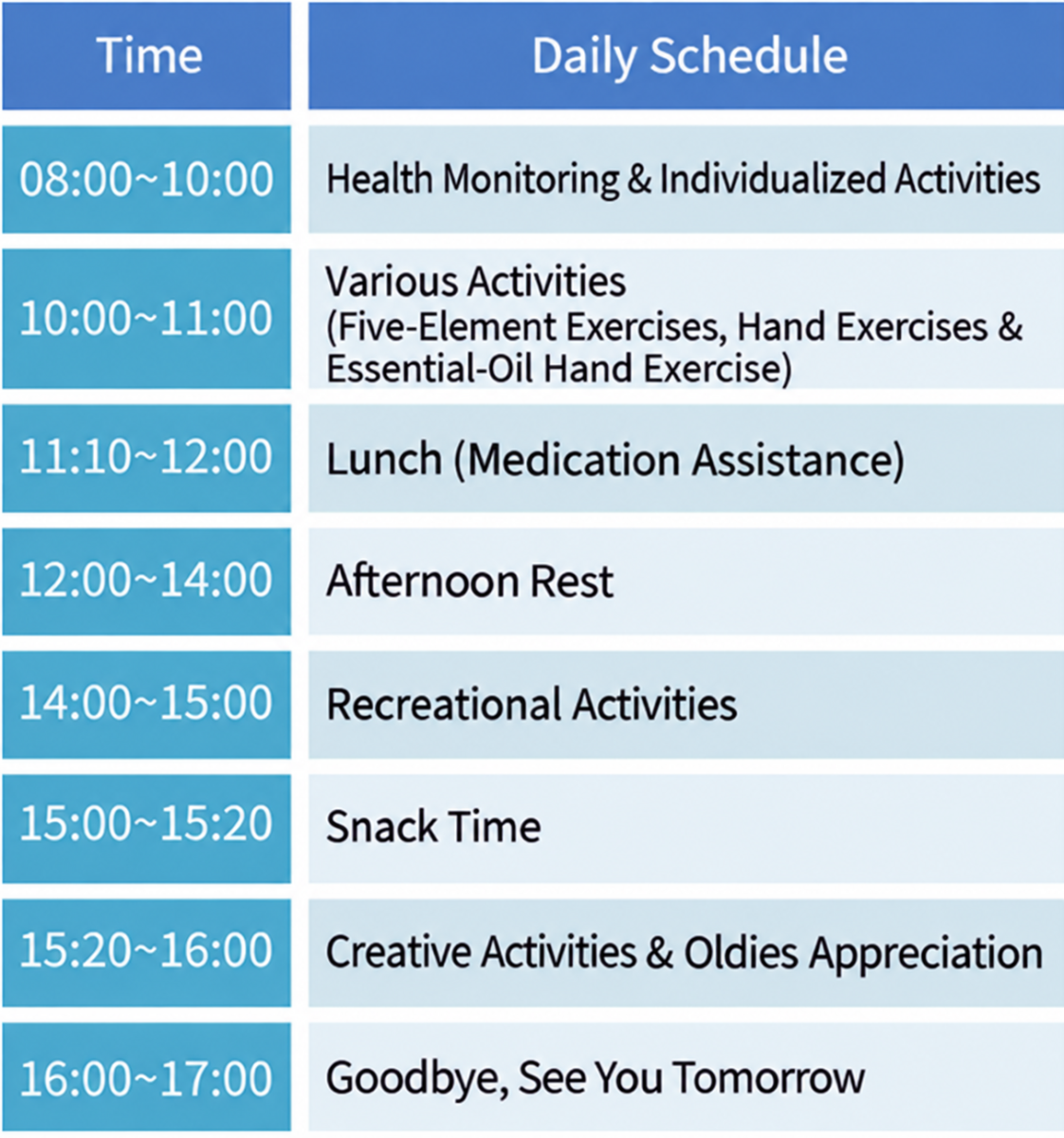
5. Daily Activity Schedule
6. How to Apply
1. Call Taiwan's long-term care helpline: 1966.
2. Call the Day Care Centre at 05-2530013 for referral and application support.
3. Contact the Zhongpu Branch of the Chiayi County Long-Term Care Management Centre (05-2531567) to enquire and apply.
7. Before You Attend
1. For personal hygiene, please bring your own essentials, such as a change of clothes, incontinence products, toothbrush, toothpaste, toiletries, quilt and pillow.
2. Please let us know in advance if you require vegetarian meals or medication reminders.
What Time Is It? Café PLUS
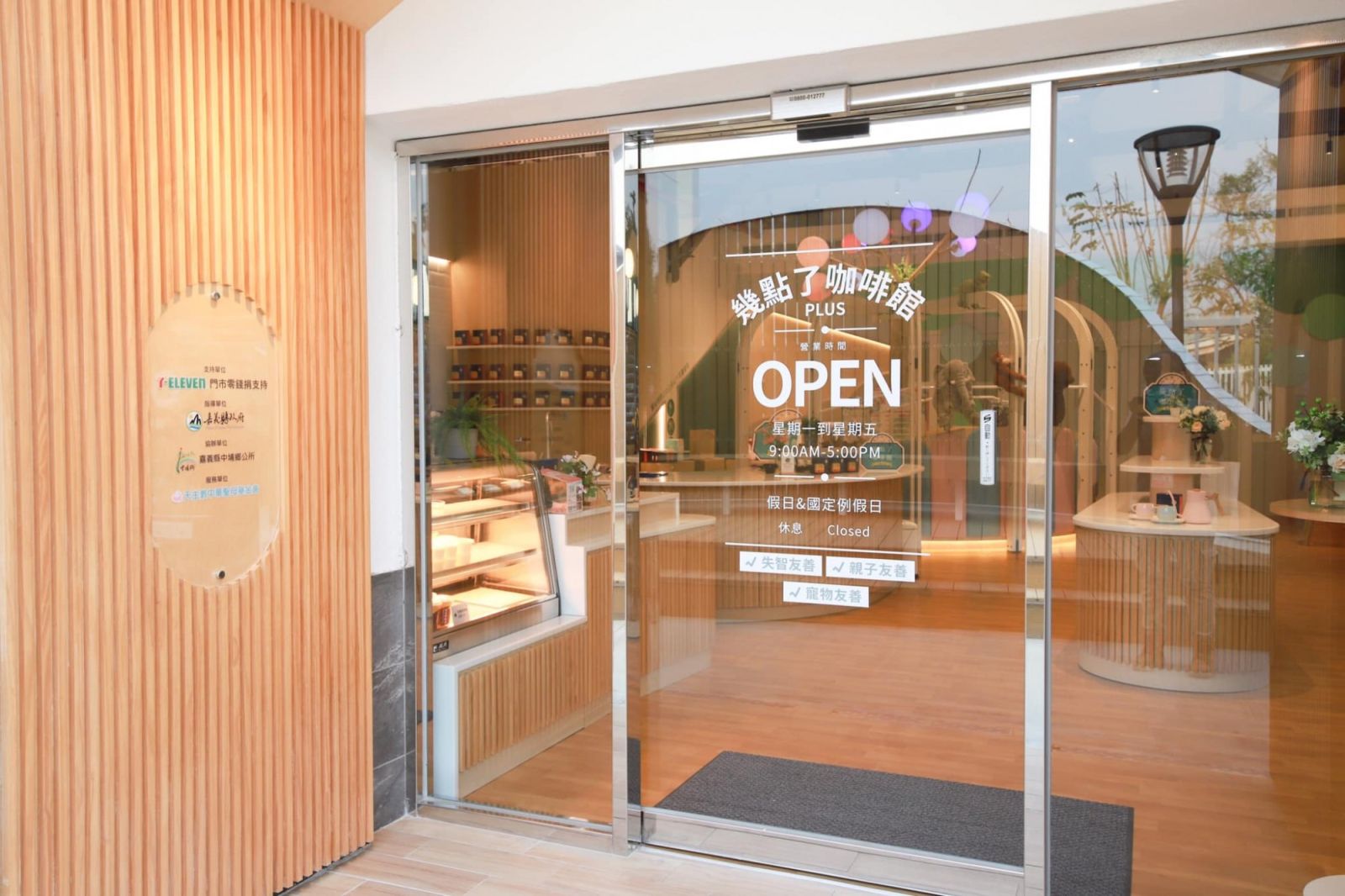
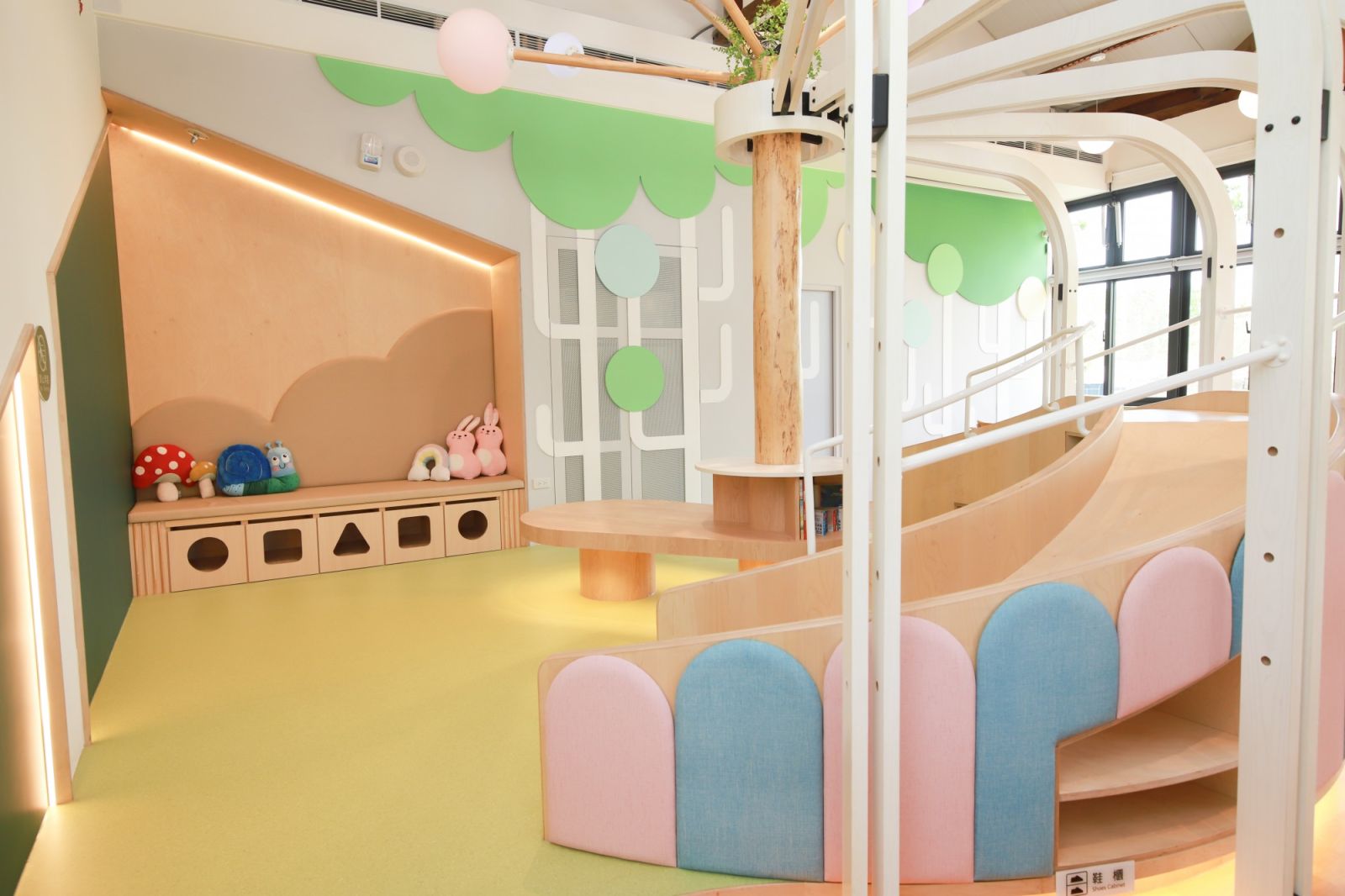
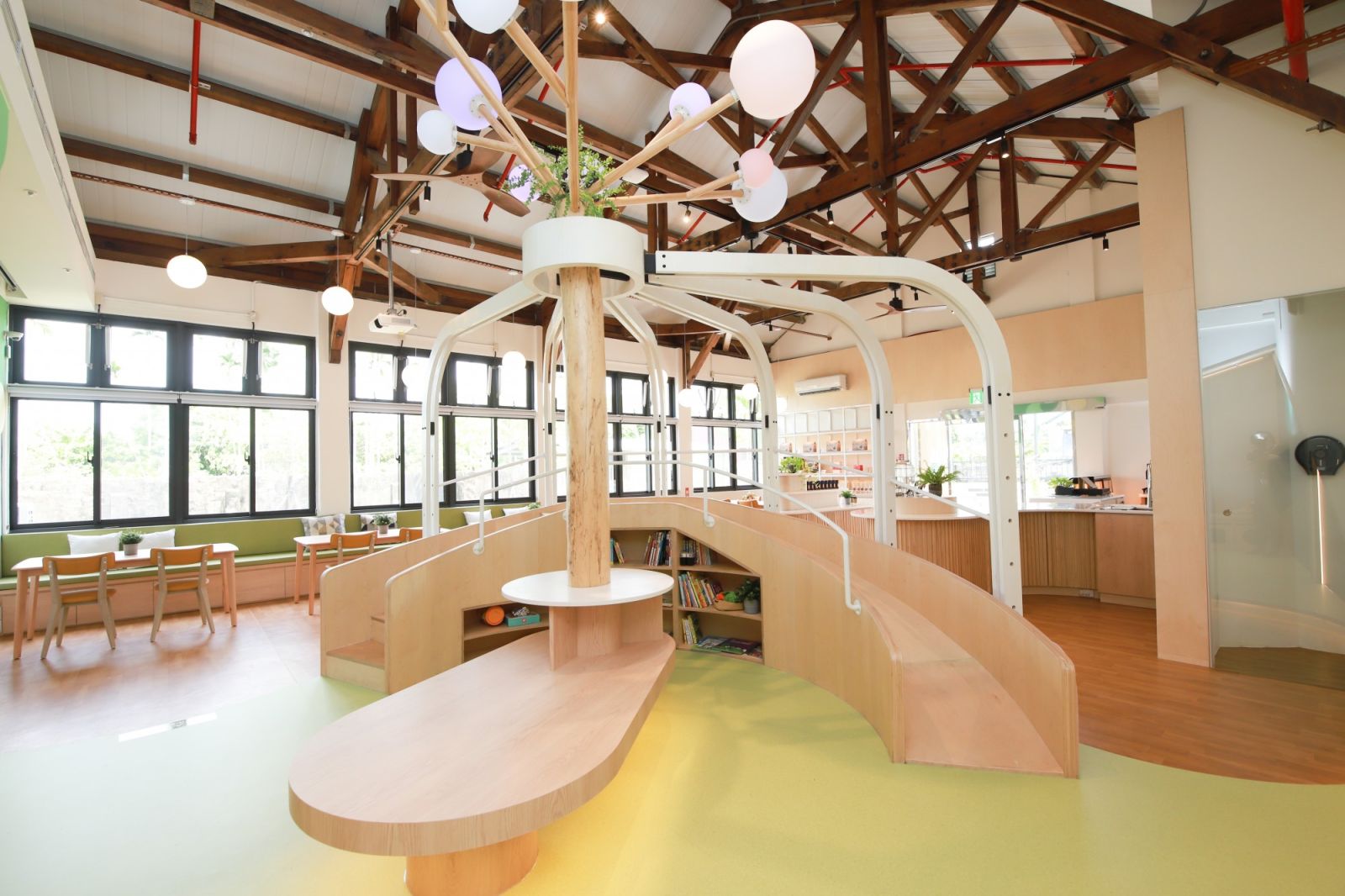
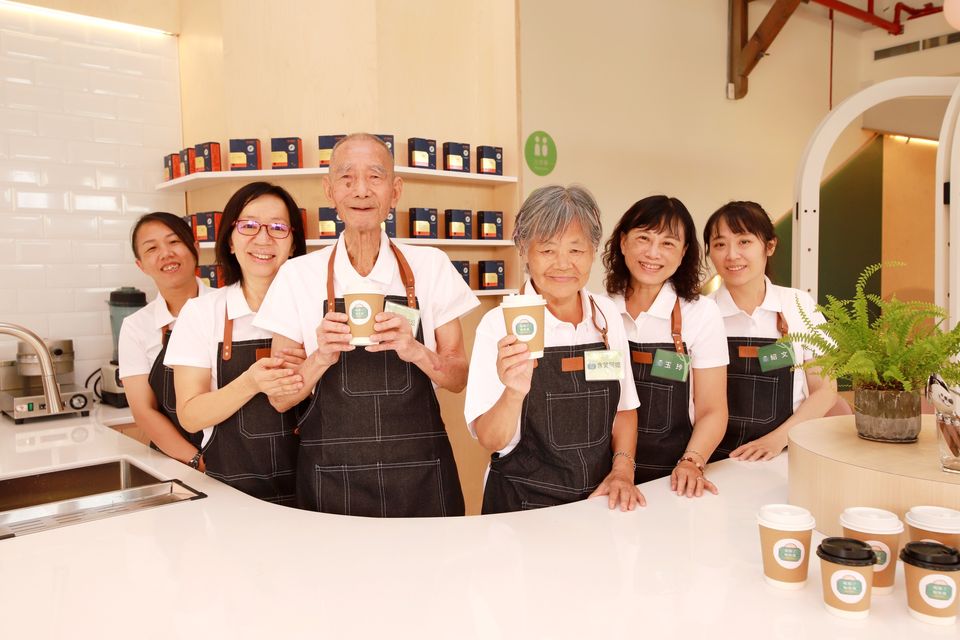
The Sisters of Our Lady of China Catholic Charity Social Welfare Foundation partnered with 7-ELEVEN to establish the first What Time Is It? Café PLUS in Chiayi County, the county with Taiwan's highest proportion of older residents. The café creates an inclusive setting that welcomes people living with dementia, engages middle-aged and older service staff, uses environmentally friendly building materials, and is welcoming to families, children and animals.
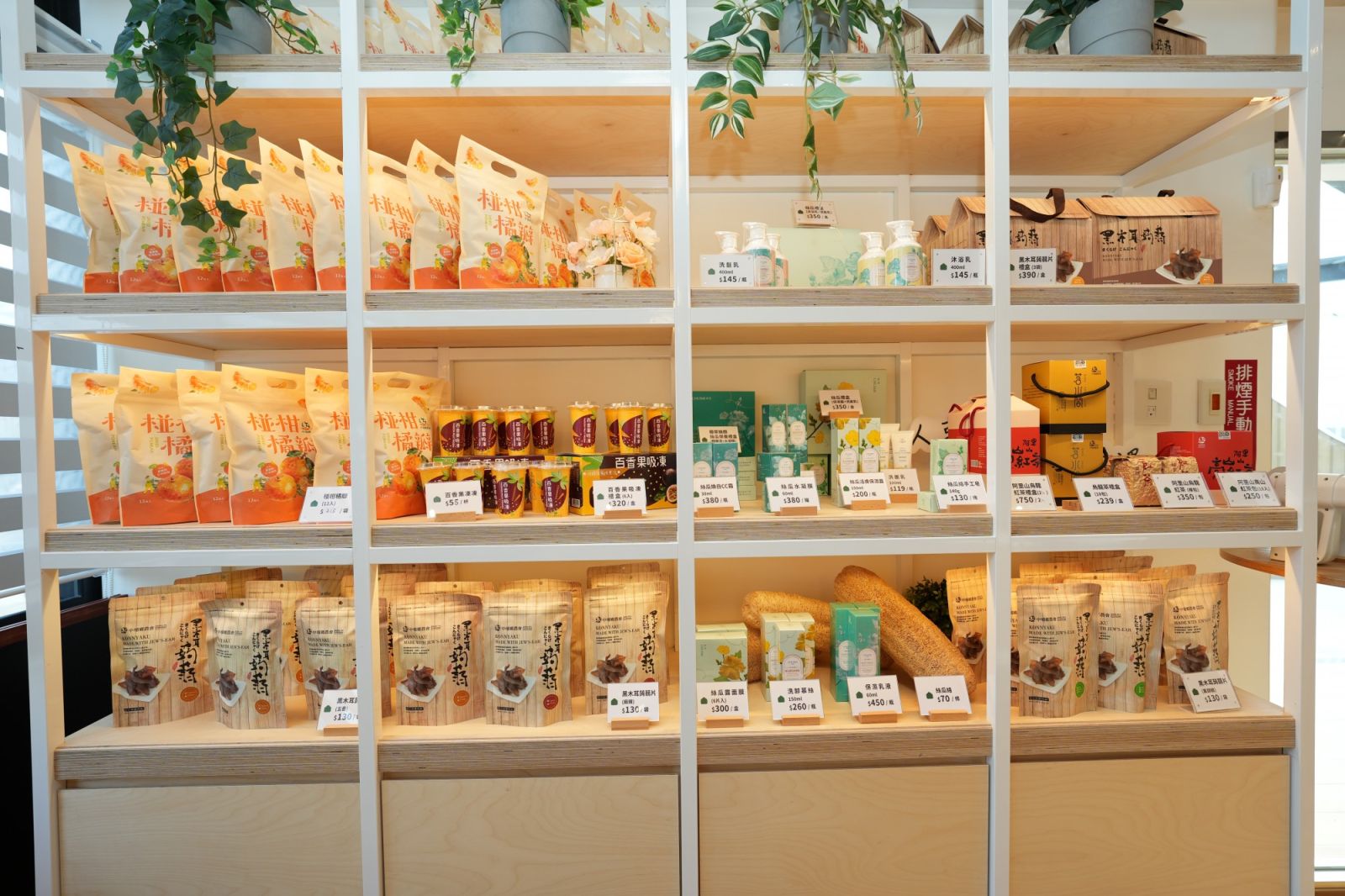
The café serves coffee brewed with CITY PRIMA drip bags, waffles and desserts. It also works with the Zhongpu Township Farmers' Association to offer local agricultural specialities. From Monday to Friday, older adults living with dementia take part for one hour each day, experiencing tasks such as operating the till, handling purchases and making coffee. Visitors are warmly invited to enjoy a cup of coffee prepared by the older participants.
 |
 |
 |
 |
 |
 |
 |
 |
The venue is available for hire. Download the What Time Is It? Café Venue Hire Guidelines
Curved Pavilion and Therapeutic Garden
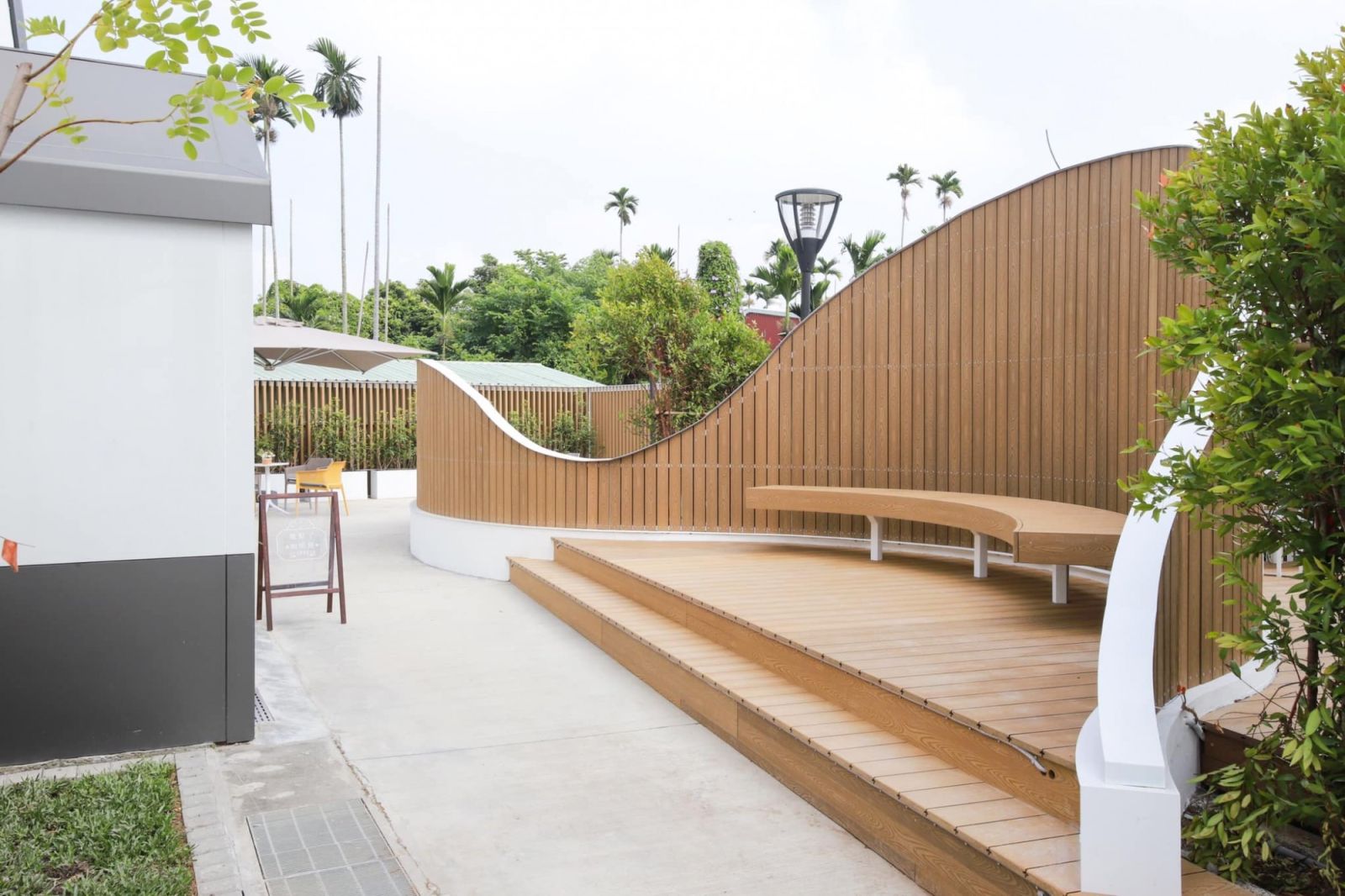
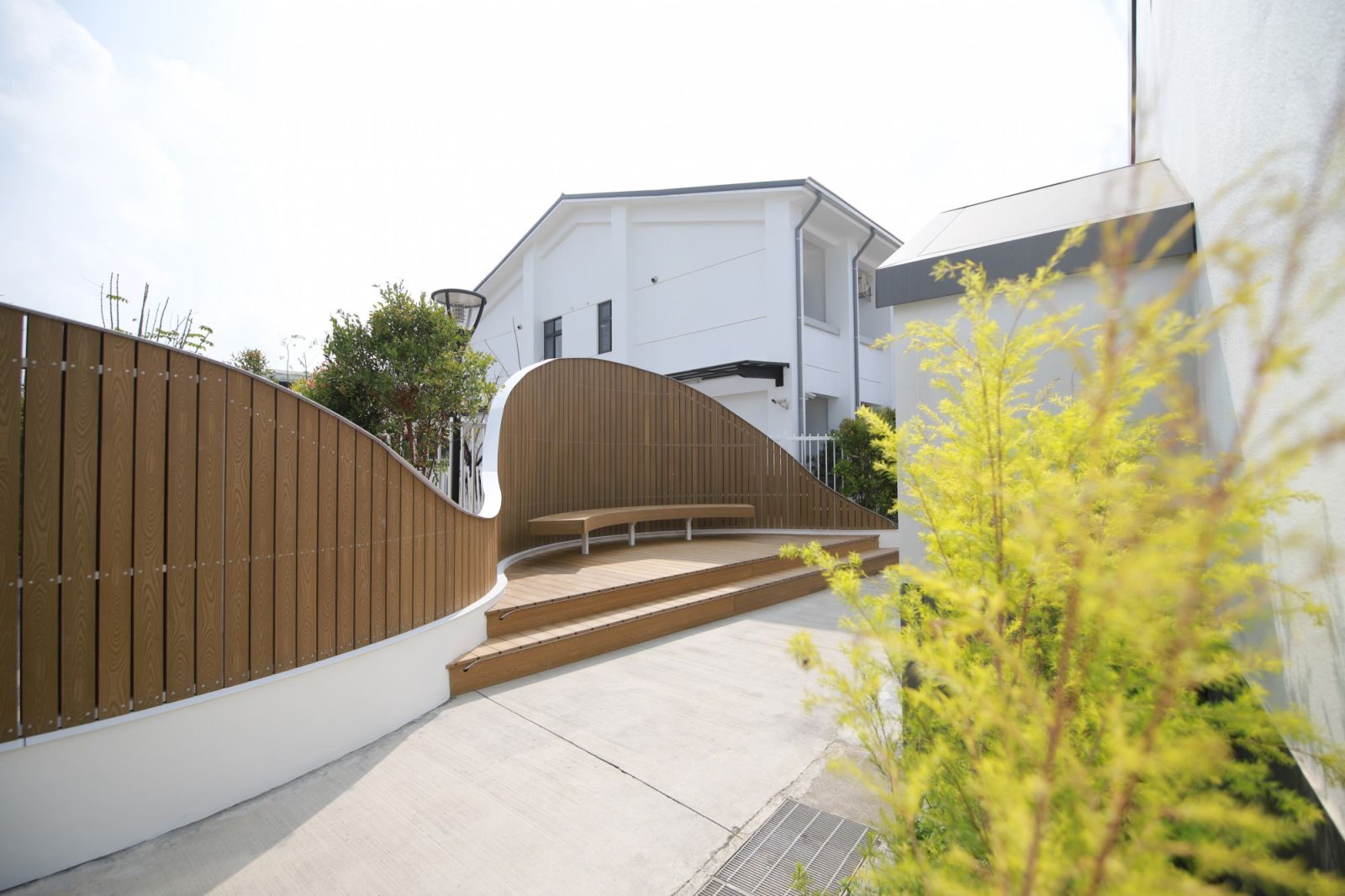
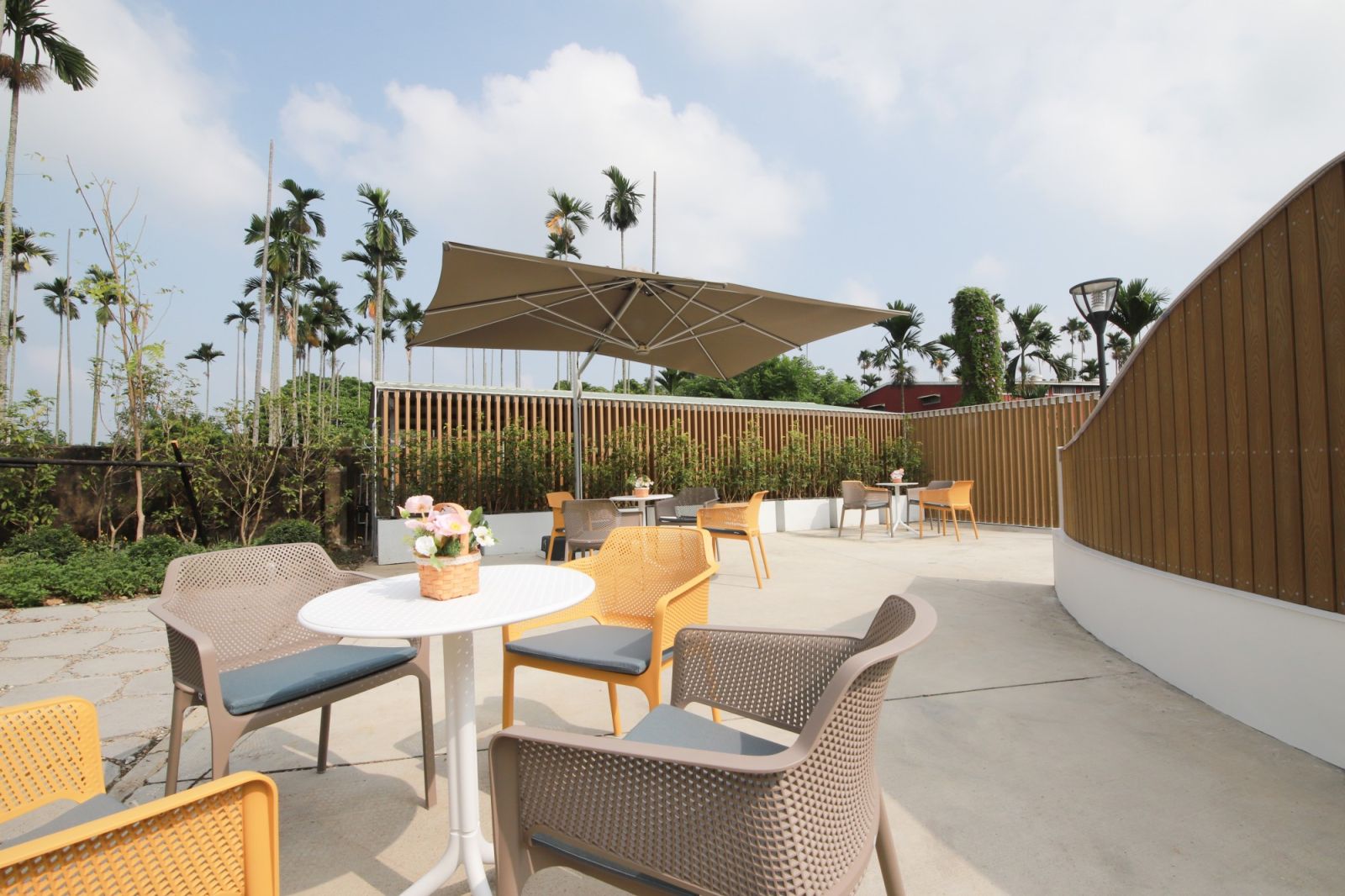
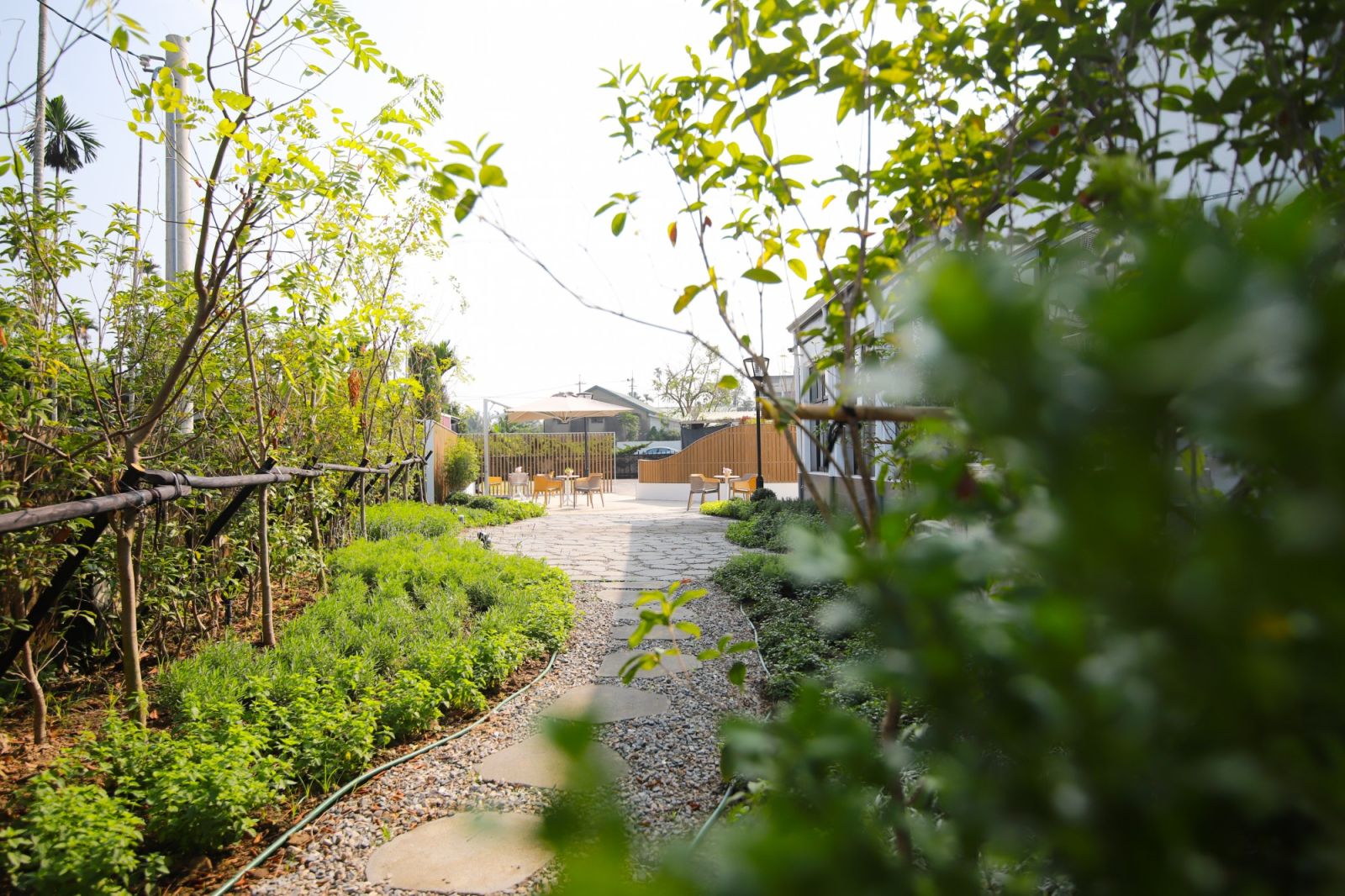
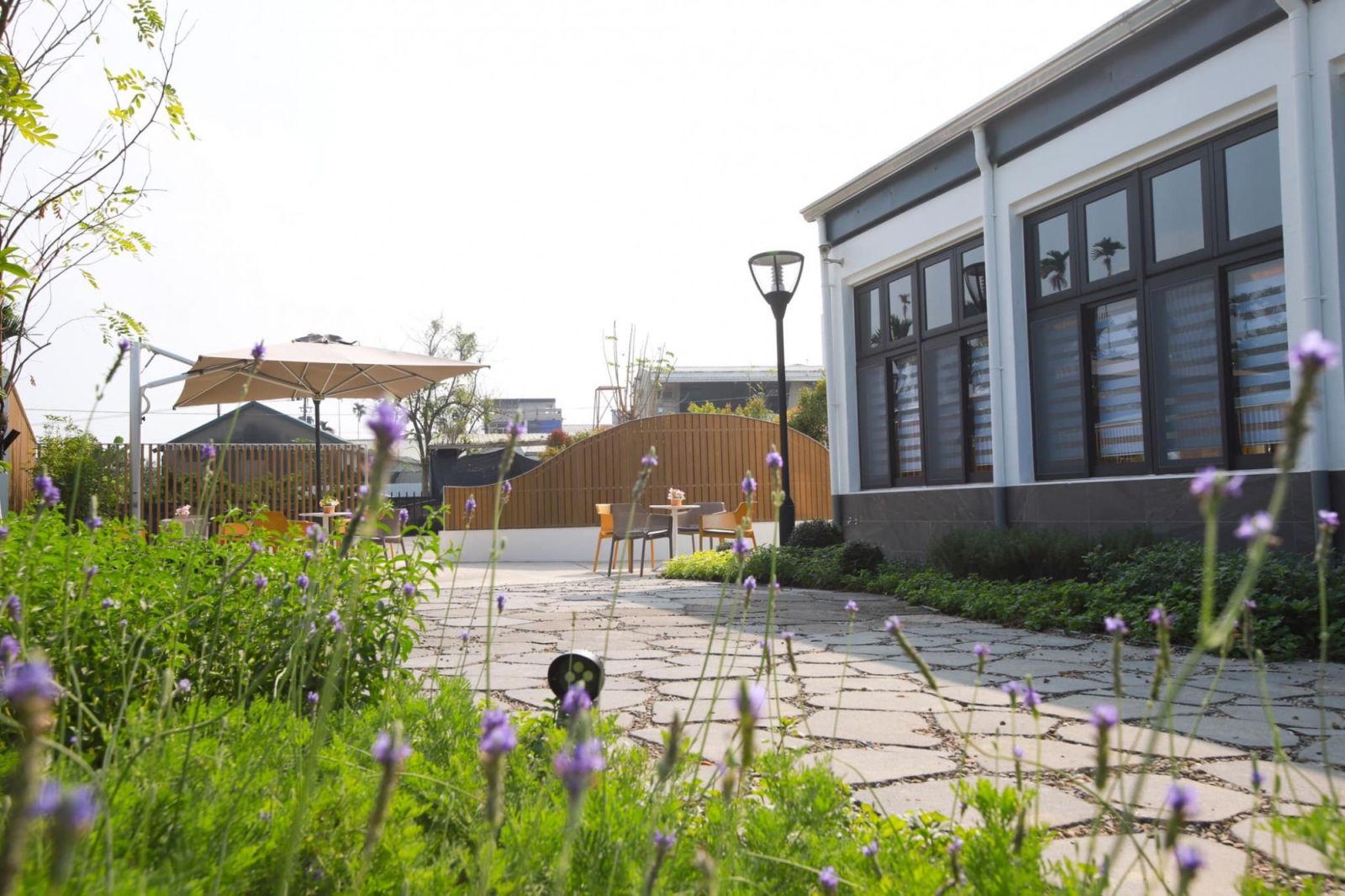
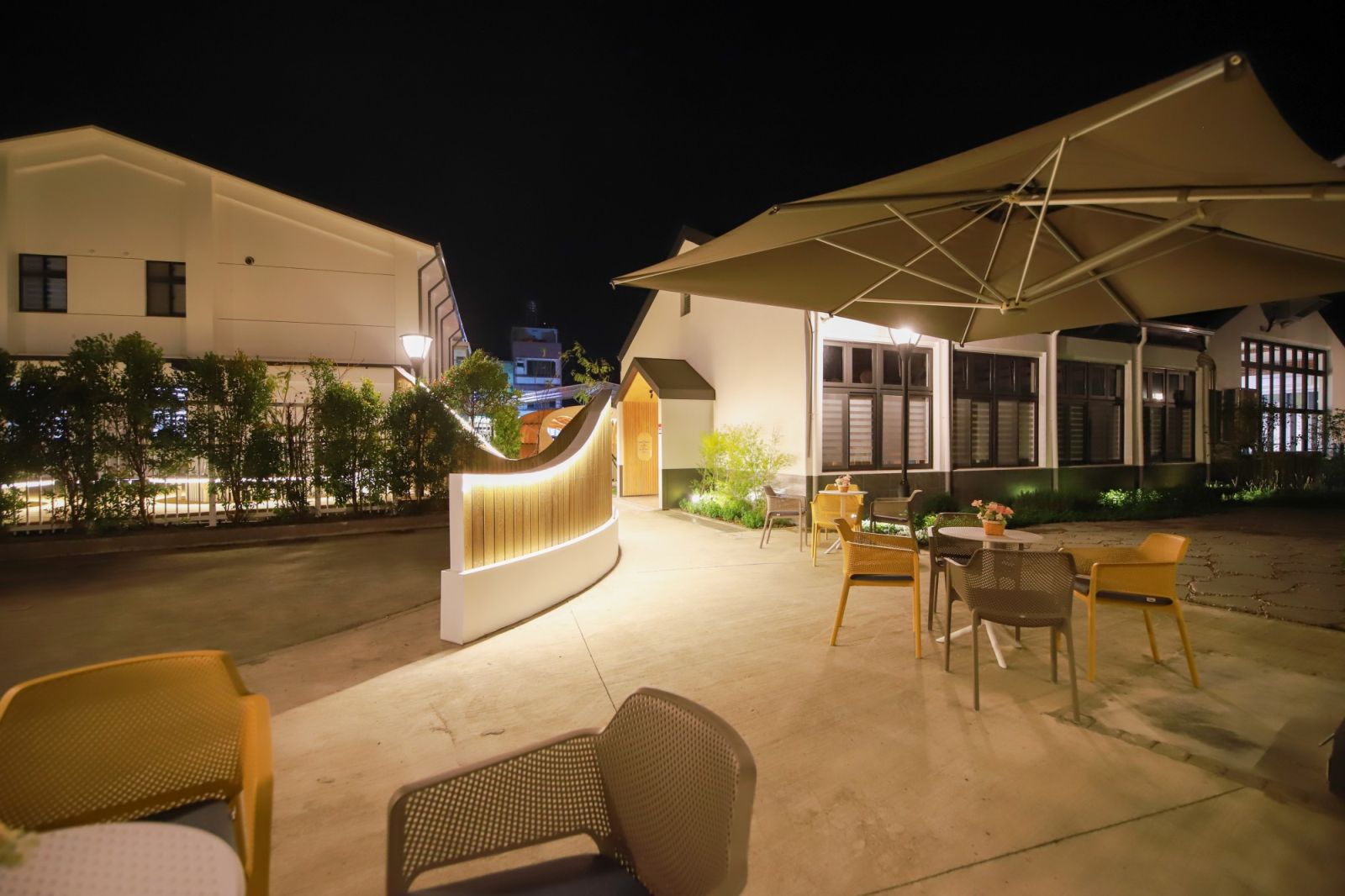
The open campus has no perimeter walls. Its curved pavilion and therapeutic garden feature more than 500 trees and plants, including flame trees, pink shower trees, sweet osmanthus, lavender, mint and other herbs. These shared spaces invite people into the care setting, deepen understanding of dementia and create more opportunities to connect with older adults living with dementia. The aim is an inclusive community where people living with dementia or functional impairments can contribute, and neighbours and children can meet, interact and build relationships.
 |
 |
 |
 |
 |
 |